Heating Elements and Controls That Function Reliably
Electric Furnace Service for older homes with staged heating that cycles unevenly or stops blowing warm air
Many older homes in the county have electric furnaces that require regular checks, unlike gas systems. The owner of Steger and Sons Heating & Cooling LLC personally handles inspection, repair, and maintenance, offering a five-year warranty and free second opinions on other companies' diagnoses.
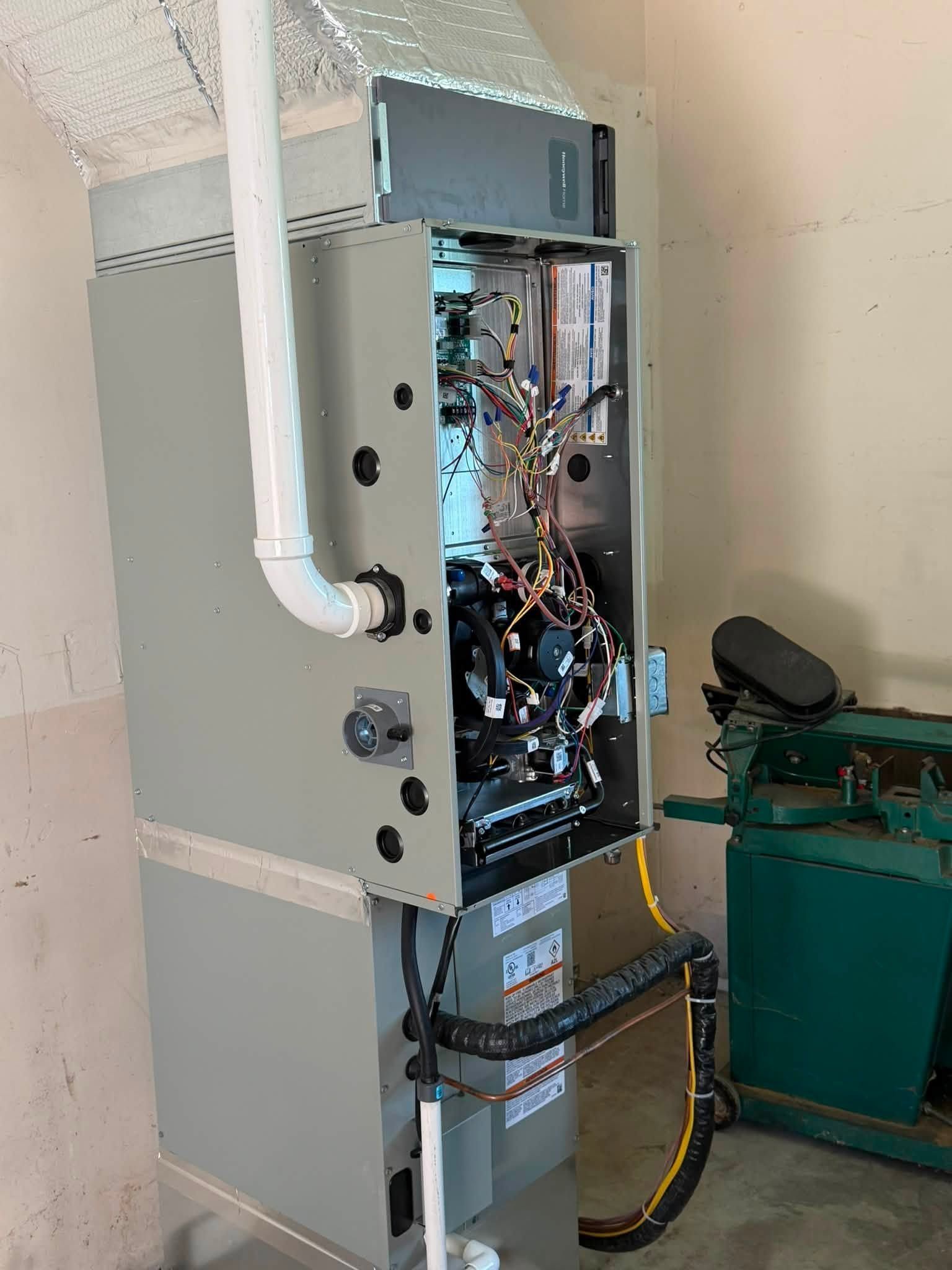
During a service visit, the owner examines electrical connections, heating element stages, limit switches, and blower operation, cleaning or replacing parts as needed. Before any repairs, he explains the findings and costs, ensuring you know what the system needs for safe operation.
Schedule a service visit to inspect the heating elements and control sequences.
What Electric Furnace Service Involves
Electric furnaces heat in stages, with sequencers activating elements based on load, so a failure in one stage reduces heat but doesn't stop the system. The owner tests each element for continuity, checks sequencer contacts, and measures voltage to ensure power is supplied. Many homes in Muncie and Yorktown have electric furnaces from the 1970s and 1980s, often requiring limit switches and sequencers to be replaced due to wear.
After service, the furnace runs all stages correctly, the blower provides expected air temperature, and limit switches function properly. Steger and Sons Heating & Cooling LLC confirms operation before leaving.
The service involves cleaning the blower, testing elements, inspecting switches, and replacing failed components. A five-year warranty covers the work, with the owner as the point of contact for any issues.
Common Questions About This Service
Electric furnaces rely on different components than gas systems, and understanding those differences helps you recognize when service is needed and what the work involves.
What does a sequencer do in an electric furnace?
A sequencer activates the heating elements in stages rather than all at once, which prevents the electrical draw from spiking and overloading the circuit. The sequencer uses a bimetallic contact that heats and closes in response to the thermostat signal, and when the contacts wear or corrode, the heating elements fail to turn on even though the blower is running.
How does the owner test the heating elements?
The owner measures resistance across each heating element with a multimeter to confirm continuity, then checks voltage while the furnace is calling for heat to verify the element is receiving power. A broken element shows infinite resistance, while a shorted element shows very low resistance and trips the breaker.
Why does the furnace blow lukewarm air instead of stopping completely?
Electric furnaces often have multiple heating elements, and if one or two stages fail, the remaining elements continue heating but cannot reach the full output. The blower still runs, but the air feels cooler than normal because fewer elements are active.
What happens if the limit switch trips repeatedly?
The limit switch shuts off the heating elements when the furnace overheats, which usually happens when airflow is restricted by a dirty filter, a blocked return, or a failing blower motor. The owner checks airflow and blower function to identify the cause of the overheating rather than just replacing the limit switch.
What changes after the electric furnace is serviced?
The furnace heats to the thermostat setting without blowing lukewarm air, all heating stages activate in the correct sequence, and the blower operates steadily without cycling off due to overheating.
The owner handles all service work personally and provides free second opinions if another contractor has already evaluated your system. Steger and Sons Heating & Cooling LLC also services electric furnaces in Muncie, New Castle, Anderson, Pendleton, and Noblesville.